
Blogs

Bonds That Heal
When someone is diagnosed with cancer, they often realize that the support of those around them is just as important as their medical care.
Read More
Cooking with Love
This Valentine's Day, we're celebrating love in its most nourishing form, through food that heals, comforts, and brings us together.
Read More
Love Your Heart: Cardiovascular Health for Women
Women have unique heart health challenges that are sometimes overlooked.
Read More
Immune System Support for Cancer Patients
When you're undergoing cancer treatment, even the smallest cold can feel like a huge setback.
Read More
What Every Woman Should Know About HPV & Cervical Cancer Prevention
What if you could prevent nearly all cases of one type of cancer?
Read More
Long-term Changes Make Long-term Effects
Right now, you might be facing more than you ever imagined.
Read More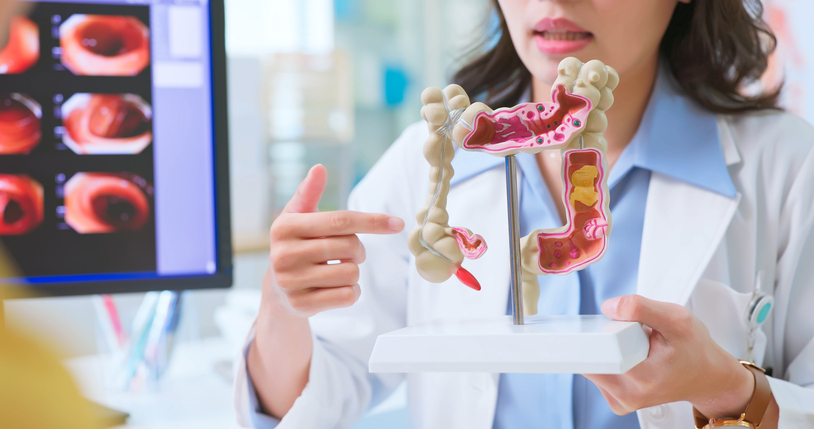
Warning Signs of Colon Cancer You Should Never Ignore
Many people brush off digestive changes as “just something I ate,” but sometimes the body sends signals that deserve closer attention, especially when those changes linger.
Read More
Managing Shortness of Breath and Other Common Lung Cancer Symptoms
Shortness of breath can be one of the most unsettling sensations a person experiences, especially when it appears unexpectedly or begins to interfere with everyday activities.
Read More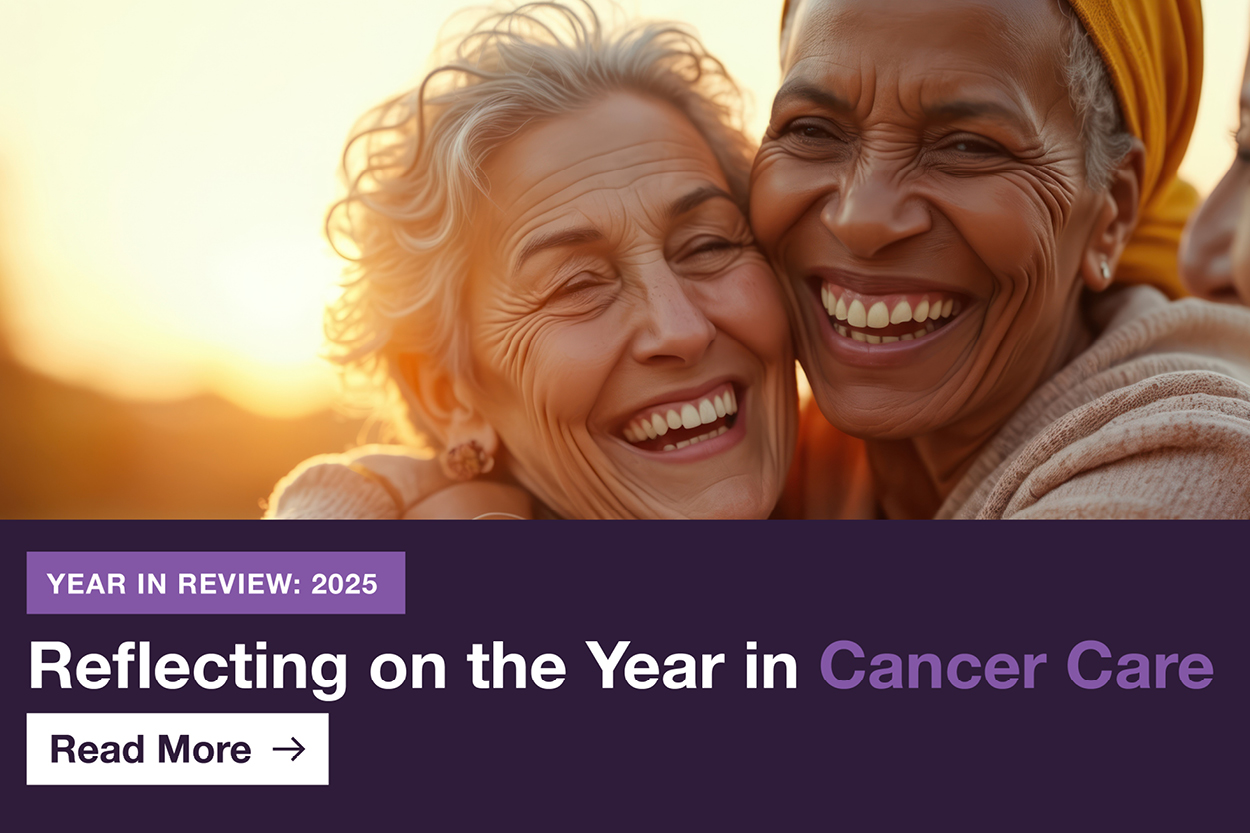
Reflecting on the Year in Cancer Care
As we close out the year, it’s a good time to reflect on how far cancer care has come, and what’s still ahead.
Read More
Savoring the Season: Mindful Eating During the Holidays
Holiday tables can feel complicated this year. Maybe you're navigating new food sensitivities.
Read More