
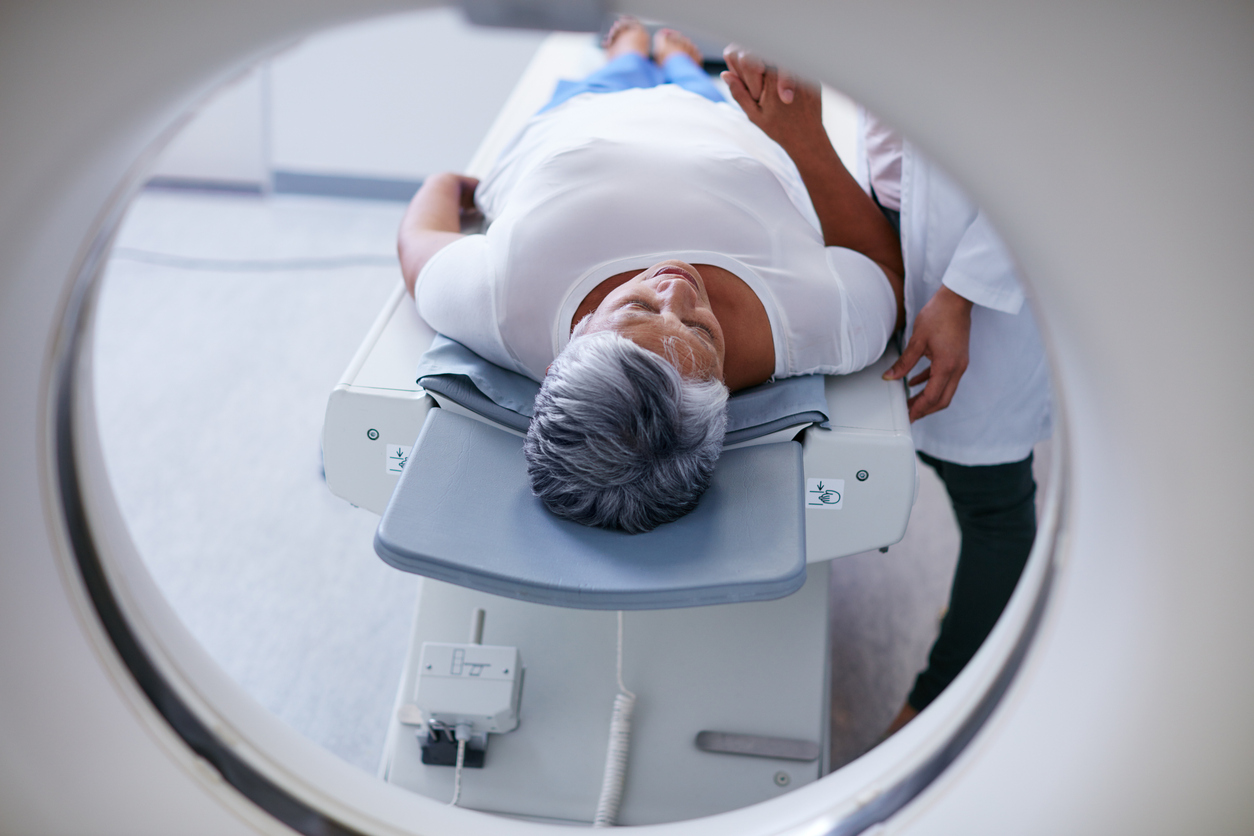
How to Cope With Scanxiety During Cancer Treatment
For many people living with cancer, completing a scan is only part of the challenge. The days leading up to imaging appointments and the time spent waiting for results can lead to overwhelming stress, worry, and uncertainty. This experience is so common that it has its own name: scanxiety.
Whether you're undergoing scans during treatment, monitoring for recurrence, or attending routine follow-up appointments, it's normal to feel anxious about what the results may reveal. While scanxiety can be difficult, understanding why it happens and learning healthy coping strategies can help make these periods more manageable.
At Astera Cancer Care, we recognize that cancer affects emotional well-being as much as physical health. Supporting patients through every stage of their journey includes addressing the anxiety and uncertainty that often accompany scans and test results.
What Is Scanxiety?
Scanxiety is a term used to describe the anxiety, fear, and emotional distress that many cancer patients experience before, during, or after imaging tests and diagnostic scans.
These feelings can occur before:
- CT scans
- PET scans
- MRI scans
- Mammograms
- Follow-up imaging appointments
- Routine surveillance scans after treatment
For some patients, scanxiety begins days or even weeks before an appointment. Others may feel most anxious while waiting for results. While scanxiety is not an official medical diagnosis, it is a widely recognized experience among cancer patients and survivors.
Common Signs of Scanxiety
Scanxiety can affect people emotionally, mentally, and physically.
Common symptoms may include:
- Excessive worrying
- Racing thoughts
- Difficulty concentrating
- Irritability
- Trouble sleeping
- Loss of appetite
- Increased fatigue
- Feelings of nervousness or dread
Some individuals may also experience physical symptoms such as:
- Headaches
- Muscle tension
- Increased heart rate
- Upset stomach
- Restlessness
Everyone experiences scanxiety differently. Some people notice only mild nervousness, while others find the anxiety significantly impacts their daily routines.
Is Scanxiety Normal?
Yes! One of the most important things patients should understand is that scanxiety is extremely common.
Many cancer patients and survivors report feeling anxious before scans, even years after completing treatment. Experiencing these emotions does not mean you are pessimistic or unable to cope; it simply reflects the reality of navigating uncertainty.
Strategies to Help Manage Scanxiety
While it may not be possible to eliminate anxiety completely, there are several ways to make the waiting period more manageable.
Focus on What You Can Control
Many aspects of scan results are outside of your control, but your daily routines and self-care practices are not.
Consider focusing on:
- Staying active, if approved by your care team
- Maintaining regular sleep habits
- Eating nutritious meals
- Attending scheduled appointments
- Taking medications as prescribed
Small actions can create a sense of stability during uncertain times.
Limit Excessive Online Searching
When anxiety rises, many people turn to the internet for answers. Unfortunately, online searches often increase fear rather than provide reassurance.
Every patient's situation is unique, and information found online may not accurately reflect your circumstances. If questions arise, consider discussing them directly with your healthcare team instead.
Lean on Your Support System
Talking about your concerns can help reduce feelings of stress and isolation.
Support may come from:
- Family members
- Friends
- Caregivers
- Support groups
- Mental health professionals
- Members of your cancer care team
Many patients find comfort in sharing their feelings with others who understand what they are experiencing.
Practice Relaxation Techniques
Simple relaxation exercises help calm both the mind and body.
Helpful techniques may include:
- Deep breathing exercises
- Meditation
- Gentle stretching
- Yoga
- Mindfulness practices
- Listening to calming music
Even a few minutes each day can help reduce stress levels.
Plan Activities During the Waiting Period
Waiting for results can make time feel slower and increase focus on worries.
Consider scheduling activities that bring enjoyment or distraction, such as:
- Spending time with loved ones
- Reading
- Walking outdoors
- Hobbies and creative projects
- Watching favorite movies or shows
Staying engaged can help prevent anxiety from becoming overwhelming.
When Should You Seek Additional Support?
If scanxiety begins interfering with your daily life, sleep, relationships, or ability to function, additional support may be helpful.
Consider speaking with your healthcare team if you experience:
- Persistent anxiety
- Panic attacks
- Severe sleep disturbances
- Depression
- Difficulty completing normal activities
Cancer care extends beyond physical treatment, and emotional support is an important part of comprehensive care.
Common Questions About Scanxiety
Do cancer survivors experience scanxiety?
Yes. Scanxiety is common among both active cancer patients and survivors. Follow-up scans and surveillance appointments can trigger anxiety even years after treatment has ended.
How long does scanxiety last?
The duration varies from person to person. Some individuals feel anxious only immediately before a scan, while others experience stress throughout the waiting period until results are received.
Can scanxiety affect physical health?
Stress and anxiety can contribute to symptoms such as fatigue, headaches, sleep difficulties, and muscle tension. Managing anxiety may help improve overall well-being during the cancer journey.
Should I tell my doctor if I am experiencing scanxiety?
Absolutely. Your healthcare team understands that emotional health is an important part of cancer care and can recommend resources, support services, or coping strategies that may help.
Find Compassionate Support Throughout Your Cancer Journey at Astera
Cancer care involves more than tests, treatments, and appointments. It also involves navigating the emotional challenges that come with uncertainty.
At Astera Cancer Care, we understand that scanxiety is a real and common experience for many patients and survivors. Our team is committed to providing compassionate, patient-centered care that supports both your physical and emotional well-being.
Whether you're preparing for an upcoming scan, awaiting results, or looking for additional support during treatment, we're here to help. Contact Astera Cancer Care today to learn more about our comprehensive cancer care services throughout New Jersey and Pennsylvania.