
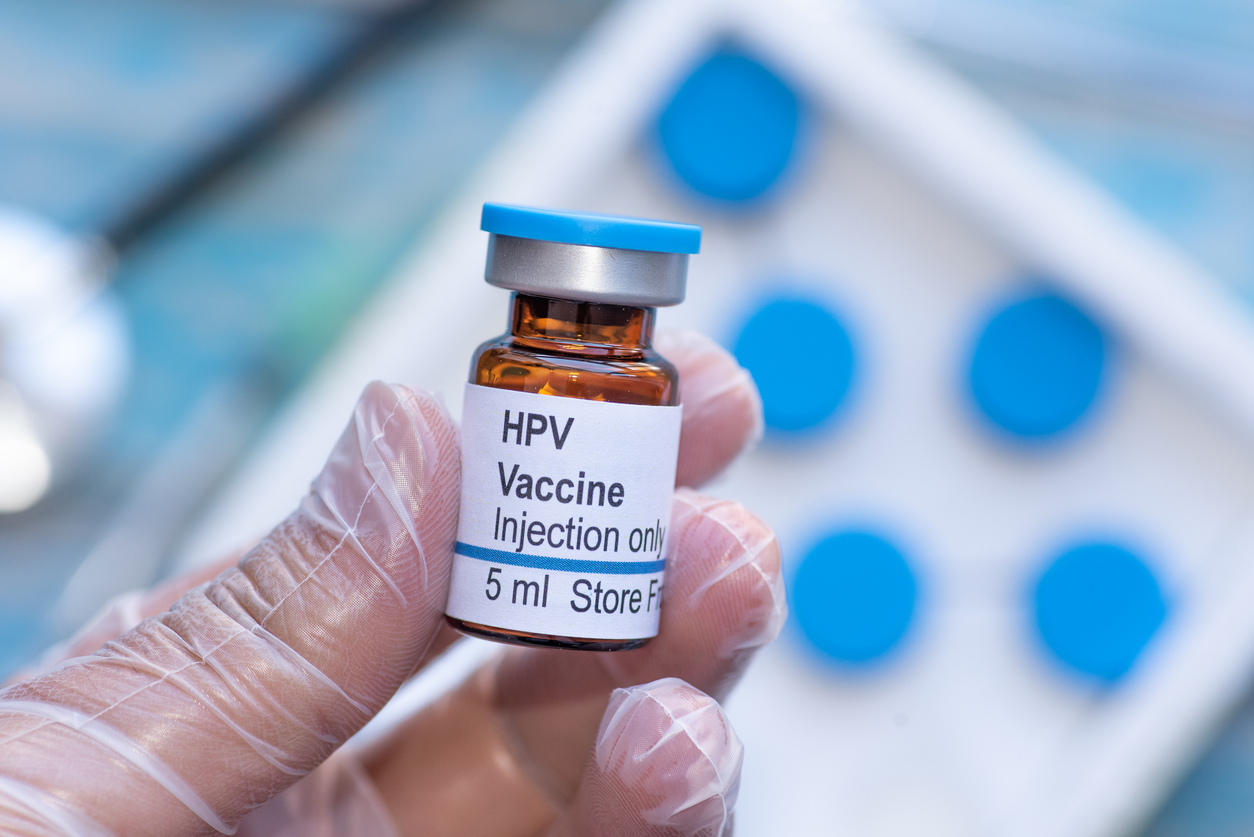
Can Adults Still Benefit from the HPV Vaccine?
For many people, the HPV vaccine is something associated with adolescence or the teenage years. But as awareness around HPV-related cancers continues to grow, more adults are asking an important question: Is it still worth getting the HPV vaccine later in life?
For some individuals, the answer is yes. While the vaccine is most effective before virus exposure, adults can still benefit from protection against certain high-risk strains of human papillomavirus (HPV).
At Astera Cancer Care, our care team works closely with patients across New Jersey and Pennsylvania to provide education about cancer prevention, screening, and risk reduction. As HPV-related cancers continue to affect thousands of people each year, prevention remains an important part of the conversation.
What Is HPV?
Human papillomavirus (HPV) is one of the most common viral infections worldwide. In fact, the Centers for Disease Control and Prevention (CDC) estimates that nearly all sexually active individuals will be exposed to HPV at some point in their lives.
There are more than 100 types of HPV, and while many strains are harmless and resolve on their own, some high-risk strains can lead to cancer over time.
HPV has been linked to several types of cancer, including:
- Cervical cancer
- Throat and oropharyngeal cancers
- Anal cancer
- Penile cancer
- Vaginal cancer
- Vulvar cancer
Because HPV often causes no symptoms, many people may not realize they have been exposed until abnormal cell changes are detected during screening.
How the HPV Vaccine Helps Prevent Cancer
The HPV vaccine helps the immune system recognize and defend against the strains of HPV most commonly associated with cancer and genital warts. Today’s HPV vaccine protects against multiple high-risk strains, including HPV-16 and HPV-18, which are responsible for the majority of cervical cancer cases worldwide.
By preventing infection before long-term viral changes occur, the vaccine significantly lowers the risk of developing HPV-related cancers later in life.
According to the CDC, HPV vaccination has already contributed to substantial reductions in HPV infections and precancerous cervical conditions among younger populations.
Is the HPV Vaccine Recommended for Adults?
The HPV vaccine is routinely recommended for preteens and young adults, but many adults may still be eligible for vaccination.
Current guidelines generally recommend:
- Routine vaccination beginning around ages 11–12
- Catch-up vaccination through age 26
- Shared clinical decision-making for adults ages 27–45
For adults between 27 and 45, vaccination decisions are based on personal risk factors, prior exposure, and discussions with a medical professional.
While vaccination later in life may provide less benefit than vaccination at a younger age, it can still offer protection against HPV strains a person has not yet encountered.
Can You Still Benefit If You’ve Already Been Exposed to HPV?
One of the most common misconceptions about the HPV vaccine is that prior exposure makes vaccination pointless. However, that is not always the case.
There are many different HPV strains, and exposure to one type does not mean exposure to all high-risk types. The vaccine may still help protect against strains that have not yet been acquired.
For example, an adult who was previously exposed to a low-risk strain may still benefit from protection against high-risk strains linked to cancer.
This is why conversations with a healthcare provider are important. Vaccination decisions should consider:
- Age and health history
- Relationship status and future exposure risk
- Prior HPV-related diagnoses
- Personal cancer risk factors
Our care team at Astera Cancer Care encourages patients to ask questions and discuss preventive care openly with their medical team.
Why HPV Prevention Matters for Adults
HPV-related cancers are not limited to younger individuals. In recent years, healthcare professionals have seen growing awareness around HPV-associated throat cancers and other cancers affecting adults later in life.
Many HPV-related cancers develop slowly over time, sometimes taking years or even decades after exposure to appear. That makes prevention and early detection especially important.
While screening tools like Pap smears and HPV testing remain essential, vaccination adds another layer of protection by helping reduce the likelihood of future infection. Combined with routine screenings and preventive care, HPV vaccination can play an important role in long-term cancer risk reduction.
The Importance of Routine Cancer Screening
Routine cancer screenings are essential, even for vaccinated individuals. Depending on age and personal risk factors, screening recommendations may include:
- Pap smears
- HPV testing
- Routine physical exams
- Discussions about symptoms or family history
Early detection remains one of the most effective tools for improving cancer outcomes.
Common Questions Adults Ask About the HPV Vaccine
Is the HPV vaccine safe?
Yes. The HPV vaccine has been extensively studied and monitored for many years. Major health organizations, including the CDC and the American Cancer Society, continue to recommend HPV vaccination as a safe and effective preventive measure.
Common side effects of the HPV Vaccine are generally mild and may include:
- Soreness at the injection site
- Fatigue
- Headache
- Mild fever
Serious side effects are rare.
Does the HPV vaccine treat existing HPV infections?
No. The vaccine is designed to help prevent future HPV infections. It does not treat existing infections or HPV-related cancers.
Can adults over 26 still get vaccinated?
In some cases, yes. Adults ages 27–45 may still qualify for vaccination based on their individual circumstances and risk factors. A healthcare provider can help determine whether vaccination may still offer a meaningful benefit.
Is HPV only a concern for women?
No. HPV affects both men and women and can contribute to several cancers in all genders, including throat, anal, and penile cancers.
How many doses of the HPV vaccine do adults need?
For most adults receiving the HPV vaccine later in life, it is typically given as a series of three doses over several months. The exact schedule may vary depending on age and health history, so it’s important to follow your healthcare provider’s recommendations.
Can you get the HPV vaccine if you’ve had an abnormal Pap smear?
In many cases, yes. An abnormal Pap smear does not automatically mean vaccination is no longer beneficial. Because the vaccine protects against multiple HPV strains, some individuals may still gain protection against strains they have not encountered.
Learn More About Cancer Prevention at Astera Cancer Care
At Astera Cancer Care, we understand that every patient’s health history and concerns are unique. Conversations about HPV vaccination are not one-size-fits-all. Our oncology and care teams work closely with patients throughout New Jersey and Pennsylvania to provide evidence-based guidance on cancer prevention, screening, and supportive care.
If you have questions about HPV, cancer prevention strategies, or recommended screenings, Astera Cancer Care is here to help. Our experienced team proudly serves patients across New Jersey and Pennsylvania with compassionate, patient-centered oncology care.
Schedule a consultation today to learn more about preventive care and personalized cancer risk guidance.